Source amt transmission control module for Cars Trucks Buses
Find 30 verified options for the amt transmission control module suitable for gasoline vehicles, heavy trucks, and general repair needs. Buyers can compare specifications like gear counts, drive types, and conditions ranging from new to remanufactured units sourced from China.
Key considerations
Products List


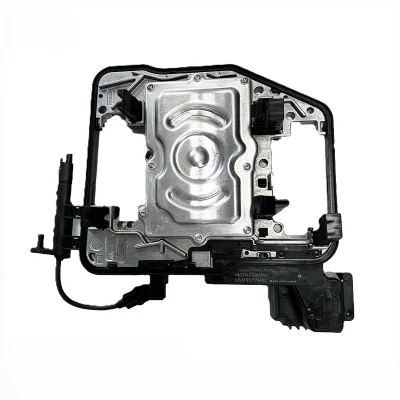
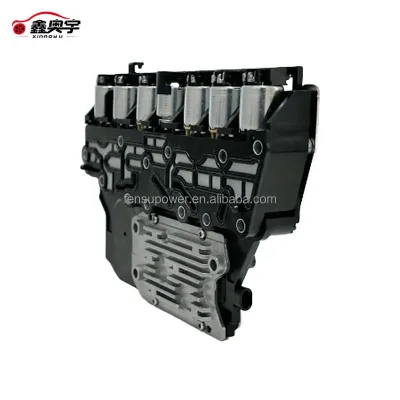
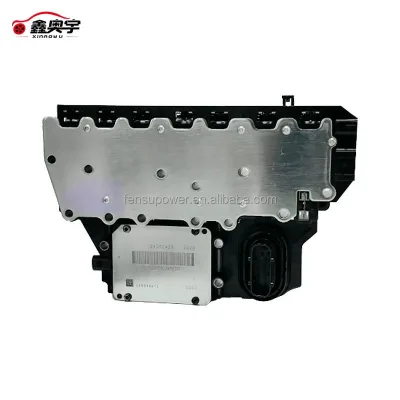
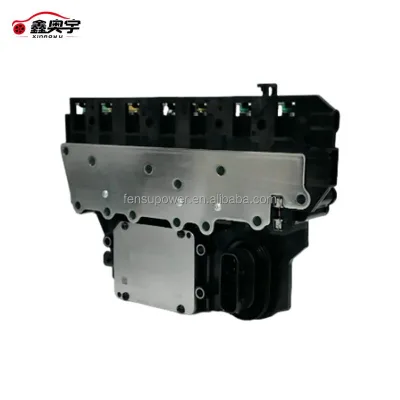






Comprehensive Sourcing Guide
Strategic Sourcing Guide for AMT Transmission Control Modules
Understanding AMT Technology and Component Variability
The Automated Manual Transmission (AMT) control module serves as the critical interface between the vehicle's electronic management systems and the mechanical transmission hardware. Unlike traditional automatic transmissions that rely on torque converters and planetary gear sets, AMT systems utilize a manual gearbox architecture augmented by an electronic control unit (ECU) to manage clutch engagement and gear shifting. The supplied product data indicates a diverse landscape of transmission types available in the market, ranging from dual-clutch transmissions (DCT) with multi-plate torque converters to standard automatic transmissions and specific AMT configurations.
Buyers must recognize that the term "AMT" encompasses various mechanical implementations. The observed product attributes reveal that some units are designed for gasoline vehicles with front-wheel drive configurations, featuring 7-speed or 6-speed gear arrangements. Other listings point to sequential gear shift mechanisms, which are common in performance-oriented or heavy-duty applications. The control systems vary significantly; while some modules operate via mechanical control systems, others utilize an Electronic Control Unit (ECU) for precise management. This variation necessitates a rigorous verification process before procurement. A buyer cannot assume that a control module listed for a 7-speed DCT will be compatible with a 6-speed sequential system, even if both fall under the broad umbrella of automated transmissions. The specific model numbers, such as 0DE, 02E, 0GC, 7DCT330, 6t40, and 29556884, serve as unique identifiers that dictate the exact hardware and software requirements for the control module.
Technical Specifications and Compatibility Verification
When sourcing an AMT transmission control module, the primary technical hurdle is ensuring exact compatibility with the target vehicle's transmission architecture. The supplied facts highlight several distinct specifications that must be cross-referenced against the vehicle's requirements. The number of gears is a fundamental differentiator; listings show both 6-speed and 7-speed variants. A mismatch in gear count will result in immediate functional failure, as the control logic is hard-coded to manage specific gear ratios and shift points.
Furthermore, the drive type is a critical specification. The data indicates the availability of units for both Front-Wheel Drive (FWD) and All-Wheel Drive (AWD) systems. The control module must be programmed to handle the torque distribution logic specific to the vehicle's drivetrain. Additionally, the condition of the component is a vital factor. The market offers both "Genuine OEM New" units and "Remanufactured" options. While remanufactured units are often cost-effective for repair purposes, they may carry different warranty terms and performance expectations compared to new OEM parts. The material composition, such as aluminum housing, is also noted, which can influence thermal management and durability in high-performance environments.
Buyers should verify the specific model number against the vehicle's VIN and transmission code. The provided data includes specific OEM numbers like 0AM927769D, which suggests that some modules are direct replacements for specific manufacturer part numbers. The presence of "OE Standard" and "original technology" in the product attributes indicates that some suppliers adhere to the original engineering specifications, but this must be validated against the actual vehicle requirements. The application field is equally important; while many modules are for passenger vehicles, the data explicitly lists "Heavy Truck" as an application, implying that heavy-duty control modules have different power handling and thermal requirements than those for light-duty vehicles.
Compliance, Certification, and Quality Standards
Ensuring that a sourced AMT control module meets industry standards is essential for long-term reliability and regulatory compliance. The supplied product information confirms that certain suppliers provide certifications such as ISO9001, which indicates a quality management system in place. However, buyers should not assume that all listed products possess this certification without explicit verification. The data also mentions "OE Standard" and "original technology," which are qualitative claims that should be backed by documentation.
Certification status is a key area of due diligence. While the background information mentions "reach" as a low-confidence factor, it should not be used to make concrete claims about product compliance. Instead, buyers must request current certification documents from the supplier to verify adherence to environmental and safety regulations. The "Quality: Original High Quality" attribute is a common marketing term that requires independent verification through test reports or third-party audits.
The condition of the product also impacts compliance. "Genuine OEM New" parts inherently meet the manufacturer's original compliance standards, whereas "Remanufactured" parts must be inspected to ensure they meet the same safety and performance thresholds as new units. The warranty period, noted as 12 months in the data, is a standard indicator of the supplier's confidence in their product's quality. However, the warranty terms should be clearly defined in the purchase agreement, covering defects in materials and workmanship.
Cost Drivers and Pricing Dynamics
The pricing of AMT transmission control modules is influenced by several factors, including the condition of the unit, the complexity of the control system, and the specific model number. The observed price range in the market spans from 1 to 1000 USD, reflecting the vast difference between basic replacement units and high-performance, genuine OEM components. The "Minimum Order Quantity" (MOQ) also plays a significant role in the total cost of ownership. Listings show MOQs ranging from 1 set to 10 pieces, with some specific models requiring a minimum of 10 pieces.
Buyers should consider the total cost of acquisition, which includes the unit price, shipping costs, and potential customs duties. The data indicates that shipping is handled via major carriers like DHL, UPS, EMS, and FedEx, which can add variable costs depending on the urgency and destination. The "Customized" packing option mentioned in the data suggests that packaging can be tailored, potentially affecting the unit price.
Efficiency is another cost driver. Products described as "Performance-Oriented," "Fuel-Efficient," and "Eco-Friendly" may command a premium price due to advanced engineering and materials. The "Dual-Clutch Transmission" type, with its multi-plate torque converter, is generally more complex and expensive than a standard manual or automatic transmission. Buyers must balance the initial purchase price against the expected lifespan and performance benefits. A lower-priced remanufactured unit might save money upfront but could incur higher maintenance costs if it fails prematurely.
Supplier Evaluation and Geographic Considerations
Selecting the right supplier is crucial for securing reliable AMT control modules. The supplied data indicates that products originate from various locations in China, including Guangzhou, Shandong, and Guangdong. While these regions are known for manufacturing, buyers should not rely solely on the country of origin as a quality indicator. Instead, they should evaluate the supplier's track record, response time, and ability to provide technical support.
The "Place of Origin" and "Country of Origin" fields in the data highlight the need for transparency. Suppliers should clearly state where the product is manufactured and assembled. The "Customization" attribute suggests that some suppliers offer tailored solutions, which can be beneficial for specific fleet requirements. However, buyers must verify the supplier's capacity to deliver customized orders within the specified lead time, which is listed as 15-30 workdays.
Supplier evaluation should also include a review of their quality control processes. The presence of ISO9001 certification is a positive sign, but it should be accompanied by detailed quality assurance protocols. Buyers should request sample units for testing before placing large orders, especially for remanufactured parts. The "Warranty: 12 Months" term is a standard expectation, but the supplier's willingness to honor this warranty and provide timely replacements is a key differentiator.
Quality Control and Testing Protocols
Implementing a robust quality control (QC) protocol is essential when sourcing AMT transmission control modules. The data indicates that products come in various conditions, from "New" to "Remanufactured," each requiring different inspection criteria. For new OEM parts, verification should focus on packaging integrity, serial number validation, and compatibility with the vehicle's software. For remanufactured units, a more rigorous inspection is necessary, including checks for internal component wear, electrical continuity, and software calibration.
The "OE Standard" and "original technology" claims should be validated through functional testing. Buyers should ensure that the control module performs correctly under various load conditions and that the gear shift mechanism operates smoothly. The "Sequential" gear shift mechanism, in particular, requires precise calibration to ensure accurate gear selection. Testing should also verify the module's ability to communicate with the vehicle's electronic control unit without errors.
Quality control should extend to the packaging and shipping process. The data mentions "Carton Packaging" and "Cardboard Box" as standard options, with "Customized" packing available. Proper packaging is critical to prevent damage during transit, especially for sensitive electronic components. Buyers should verify that the packaging meets international shipping standards and includes adequate protection against moisture and impact.
Long-Term Procurement and Lifecycle Management
Sourcing AMT transmission control modules is not just a one-time transaction but part of a long-term procurement strategy. The "Purpose: for Replace/Repair" attribute indicates that these components are often used in maintenance scenarios. Buyers should plan for the lifecycle of the product, considering factors such as availability, obsolescence, and support. The "12 Months" warranty period is a standard baseline, but buyers should negotiate extended warranty terms for critical fleet applications.
The "Delivery Time: Within 15-30 Workdays" suggests that lead times can vary, and buyers should factor this into their inventory planning. For fleets with high turnover, maintaining a stock of critical control modules can prevent downtime. The "Customization" option allows for tailored solutions, which can be beneficial for specialized applications. However, buyers should ensure that customized parts are compatible with future vehicle upgrades or replacements.
Long-term considerations also include the environmental impact of the product. The "Eco-Friendly" and "Fuel-Efficient" attributes suggest that some modules are designed to reduce emissions and improve fuel economy. Buyers should evaluate the lifecycle environmental impact of the product, including disposal and recycling options. The "ISO9001" certification indicates a commitment to quality, but buyers should also look for environmental certifications to ensure sustainable procurement practices.
Conclusion
Sourcing an AMT transmission control module requires a meticulous approach that balances technical specifications, compliance, cost, and supplier reliability. The diverse range of products available, from 6-speed to 7-speed systems and from FWD to AWD configurations, underscores the need for precise verification. Buyers must prioritize compatibility, ensuring that the selected module matches the vehicle's specific requirements in terms of gear count, drive type, and control system. Compliance with standards like ISO9001 and the verification of quality claims are essential steps to mitigate risk.
The cost dynamics, influenced by condition, model complexity, and MOQ, require careful budgeting. Supplier evaluation should focus on transparency, geographic location, and the ability to provide technical support and warranty coverage. Implementing a robust quality control protocol ensures that the procured modules meet performance expectations and minimize the risk of failure. Finally, long-term procurement planning should account for lead times, inventory management, and environmental considerations to ensure a sustainable and efficient supply chain. By adhering to these principles, buyers can secure reliable AMT transmission control modules that enhance vehicle performance and operational efficiency.
FAQs
What is the typical delivery time for these modules?
The delivery time is typically within 15 to 30 workdays. This lead time applies to standard orders from suppliers in China, though specific timelines may vary based on customization requirements and current stock levels.
Which certifications should I verify for quality assurance?
You should verify ISO9001 certification for quality management systems. While some listings mention OE standards or original technology, explicit certification documents are required to confirm compliance and reliability before purchase.
Can I find units with specific gear counts like 6 or 7 speeds?
Yes, units are available with 6-speed or 7-speed configurations. It is critical to match the gear count exactly to your vehicle's transmission architecture, as mismatches will cause immediate functional failure.
What is the minimum order quantity for these parts?
The minimum order quantity ranges from 1 set to 10 pieces depending on the specific model. Some standard listings accept a single piece, while specialized models may require a batch of ten units.
How do I verify the condition of the transmission module?
You must verify if the unit is Genuine OEM New or Remanufactured. New units meet original manufacturer standards, while remanufactured options require inspection for internal wear and software calibration to ensure performance.
Which drive types are supported by these control modules?
Modules are available for both Front-Wheel Drive and All-Wheel Drive systems. The control logic must be programmed to handle the specific torque distribution requirements of your vehicle's drivetrain configuration.